
So, You Want to Be an Indie Bottler?
‘It’s just buying casks and bottling them?’
Well, this is true to an extent. In much the same way that running a restaurant is ‘just buying ingredients and putting them on plates.’
Here is the full rundown of what being an indie bottler entails, for those who have ever wondered.

First, we buy a cask. We don’t usually get to taste it before we buy it. We get a spreadsheet with details such as its place of distillation, litres of pure alcohol, and price, then we decide based upon the very glamorous spreadsheets. And you never know, maybe the cask will be almost empty when it arrives. It’s the risk you must take.
Occasionally, a cask arrives and is brilliant as it is (this is the best feeling in the world!). More often, the work starts once it’s ours. We must understand the spirit in front of us and work out what will make it shine. Which wood will suit it? How much more time does it need? Is it blending stock or single cask material? Does it taste good at cask strength or need reduced?
Often that means pairing the whisky with a different wood to help it develop.
‘This is fruity but a little one-dimensional. Let’s add some richness and nuttiness with an American oak ex-Oloroso cask to balance it out.’
That means buying an empty cask, importing it from Spain, France or wherever, to re-rack the whisky.
Sometimes the whisky is already in the right wood and simply needs longer to mature. Sometimes we will blend the components to make a certain profile we are after. Then we wait, taste again and decide when it’s ready.
An impressive age statement or attractive label won’t fix a whisky we’ve got wrong. Trust us, we’d love it if labels had that ability. Our lives would be much easier. Whisky seems very good at asking for more time.
Eventually, we decide the whisky is ready. Excellent! Now we need glass bottles, labels, corks, capsules. If we bottle it ourselves, there’s equipment to buy and maintain (which is how we do it at Woodrow’s). Some Indies use a bottling contractor, so they organise with them instead. ‘Just put it in a bottle’ is not an accepted production plan.
Then comes the part that still makes us wince: for a bottle sold in the UK, alcohol duty is due before it goes out to the customer. On many of our bottles, that’s around £13–£14 each. We also need packaging that will get the whisky there in one piece, plus someone to deliver it. Air sacs and cardboard boxes may not be romantic, but neither is a customer opening a box of expensive broken glass. So every time you get a sale, more money flies out the window once again.
By this point, we have had thousands of pounds tied up in that one cask for years. Then, when it’s finally ready, we spend more money turning it into bottles and getting those bottles out the door.
Honestly, this requires a really good relationship with cash flow.
But, now that we’ve sold it, we can get paid (in around 30 days time, anyway). Woohoo!
Keeping these costs in mind, we need to price the bottle correctly for the shelf. We need to find a price that works for the customer and for the business. But that modest margin isn’t pure profit, it then has to help keep the warehouse running, pay for electricity, warehousing costs, marketing, business rates and cover the many other costs of a business, and fund the next casks we hope you’ll be drinking years from now.
And that’s for one cask.
To release good whisky consistently, you need many casks maturing at different stages, knowing that some won’t be ready when you expect and others may never make the cut. In our case, we currently have around 5,000 casks and aim to release eight bottlings each yearly quarter. If you want to be reliable, you need to have the stock avaialable allowing you to be extremely selective. If you’re wondering whether we dream about cask inventories? Yes. Unfortunately.
Then we need to help people discover it. Travelling to festivals, pouring stock at tastings, meeting retailers, making content and paying for advertising. Much of that happens long before we know whether a release will sell. It turns out that ‘we think this whisky is really good’ narrative is more effective when people know that we exist.
There is also the physical work in the warehouse. Standing in a warehouse, covered in cask dust and trying to do the maths on a regauge is also a common occurrence for us (at which point Woody always likes to remind us that he isn’t good at maths). Though, in fairness, operating your own warehouse is optional for an indie bottler, but it’s very much part of our day-to-day life.
I haven’t touched on HMRC requirements, bonded warehouse rules, customs and excise, and all that fun stuff. Honestly, I’d fall asleep writing about it, and I wouldn’t put you through reading it.
So yes, in essence, we buy casks and bottle them. We also spend years making decisions, tying up money, re-racking and blending, moving boxes, pouring samples and hoping we judged the whisky right.
Being an indie bottler is certainly not a get-rich-quick scheme. You don’t see many indie bottlers driving fancy cars with money spilling out the top.
We do this because we love whisky. We’re passionate about the industry, slightly nerdy about casks and genuinely excited when years of work and anticipation turn into a bottle we’re proud to share. For all the spreadsheets, invoices and packing boxes, that feeling is why we keep doing it. That feeling of presenting a whisky you have envisioned for 3 years is one of the best feelings in the world - especially when the customer loves it. If they don’t, we may cry a little inside, and that’s okay💔
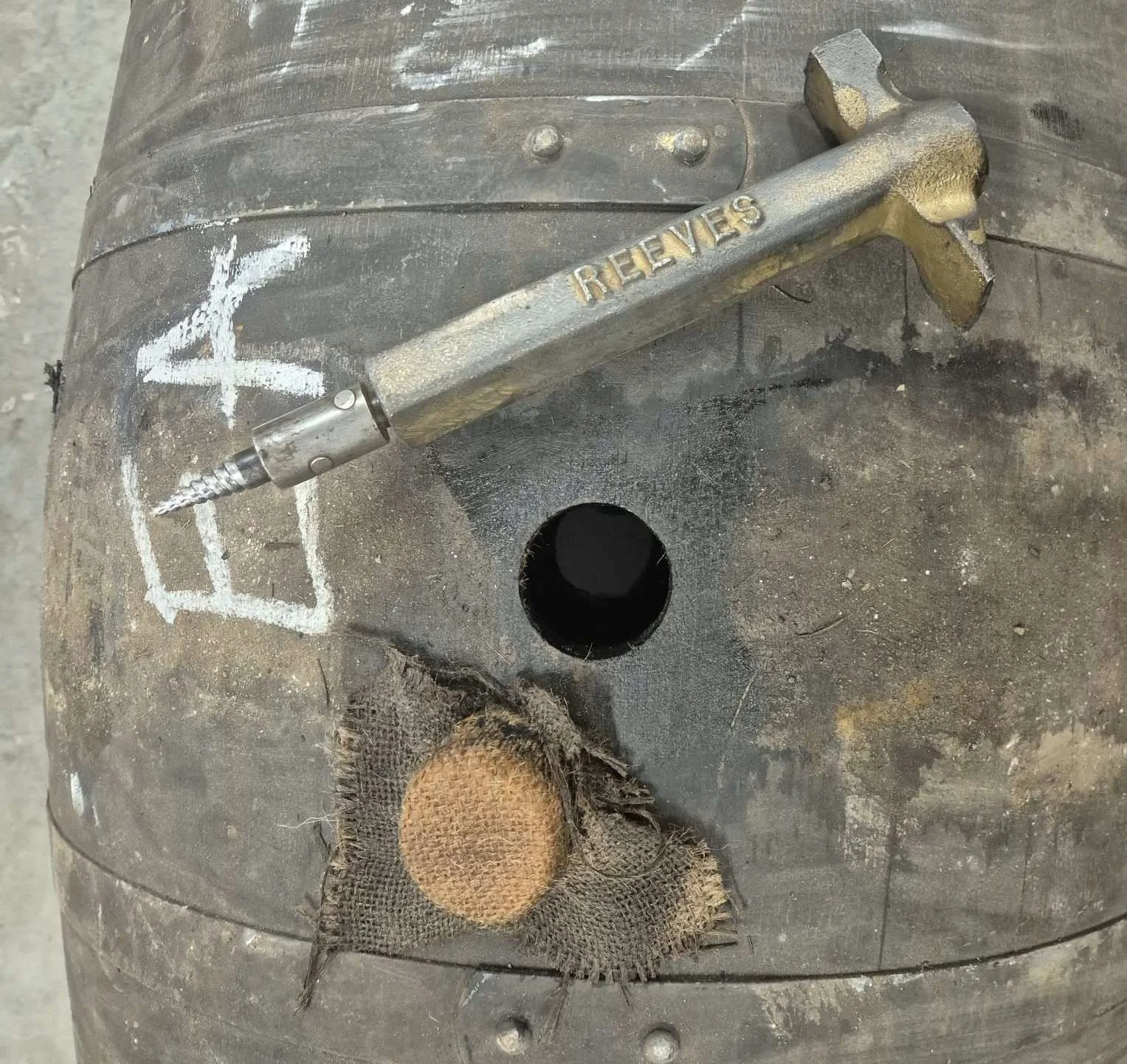
A perk of being indie bottler is we can sniff a bung hole whenever we want.
So that's really what being an indie bottler is.
We don’t distill the whisky ourselves - we have to thank the amazing distilleries for the hard work they do and for working with us.
We buy whisky before we know exactly what it will become. We spend years looking after it, making decisions about how it should mature, deciding which casks are worth pursuing and which ones aren't. We turn that whisky into bottles, get those bottles into the hands of customers and then start the process all over again.
And the best bit? The moments when everything comes together.